
Potassium Fluoride Anhydrous: The Essential Product Guide
Potassium fluoride anhydrous, with the chemical formula KFKF, is an inorganic compound that appears as a white crystalline solid. This highly soluble salt is widely recognized for its applications in various industries, including pharmaceuticals, ceramics, and chemical manufacturing. Known for its unique properties, potassium fluoride anhydrous is essential in numerous processes. In this comprehensive product description, we will explore its properties, applications, benefits, and safety considerations, highlighting its significance across multiple fields.
Chemical Properties
Composition and Structure
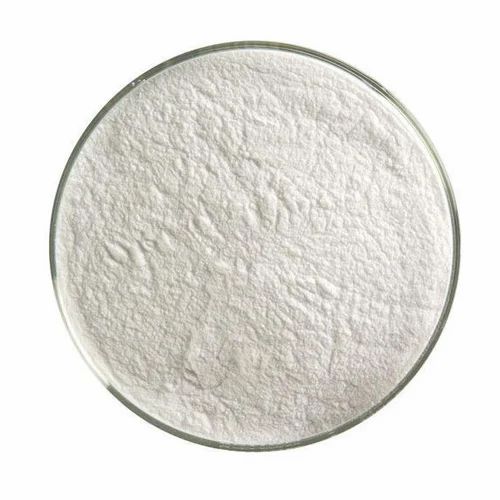
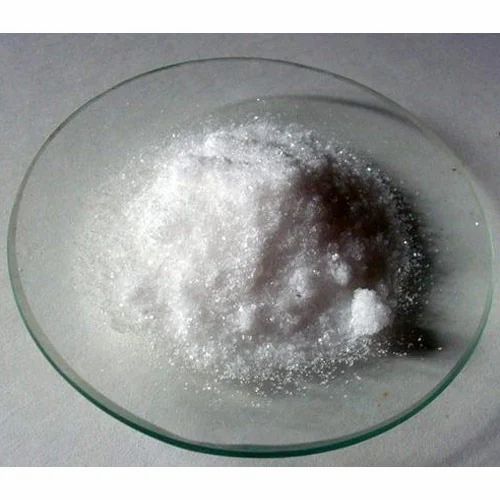
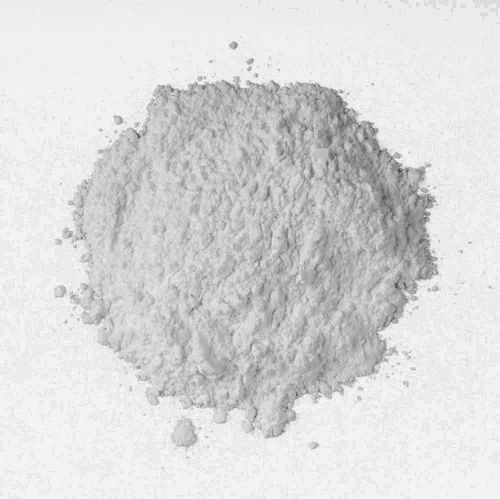
Potassium fluoride anhydrous is produced by the reaction of potassium carbonate with hydrofluoric acid. It typically appears as a white powder or crystalline solid that is highly soluble in water. The molecular weight of potassium fluoride is approximately 58.10 g/mol.
Physical Characteristics
- Appearance: White crystalline solid or powder
- Molecular Weight: 58.10 g/mol
- Solubility: Highly soluble in water
- pH: Approximately 7 in solution
- Melting Point: 858 °C
These properties make potassium fluoride anhydrous suitable for a variety of applications across different industries.
Applications of Potassium Fluoride Anhydrous
1. Chemical Manufacturing
Potassium fluoride anhydrous plays a vital role in chemical manufacturing:
- Fluorinating Agent: It is widely used as a fluorinating agent in organic synthesis. Its ability to introduce fluoride ions into organic molecules is crucial for producing various fluorinated compounds.
- Catalyst: Potassium fluoride can act as a catalyst in various chemical reactions, enhancing reaction rates and improving yield.
2. Pharmaceuticals
In the pharmaceutical sector, potassium fluoride anhydrous is utilized for:
- Active Ingredient: It is often included in pharmaceutical formulations as an active ingredient, providing essential fluoride ions for various therapeutic applications.
- Buffering Agent: Potassium fluoride can serve as a buffering agent in certain medications, helping to maintain stable pH levels.
3. Ceramics and Glass
In the ceramics and glass industries, potassium fluoride anhydrous is employed:
- Fluxing Agent: It is used as a fluxing agent in the production of ceramics and glass, lowering the melting point of raw materials and improving flow characteristics.
- Surface Treatment: Potassium fluoride is also used in surface treatments to enhance the properties of ceramic and glass products.
4. Food Industry
In the food industry, potassium fluoride anhydrous has specific applications:
- Food Additive: It is sometimes used as a food additive, providing a source of fluoride for various food products.
- Preservative: Potassium fluoride can act as a preservative, helping to extend the shelf life of certain foods.
5. Laboratory Use
In laboratory settings, potassium fluoride anhydrous serves several important functions:
- Reagent: It is commonly used as a reagent in various analytical procedures, providing essential fluoride ions for chemical reactions.
- Sample Preparation: Potassium fluoride can be used in sample preparation for analytical techniques, ensuring accurate results.
Advantages of Using Potassium Fluoride Anhydrous
1. Strong Fluorinating Agent
One of the primary advantages of potassium fluoride anhydrous is its effectiveness as a fluorinating agent. This property is crucial for producing fluorinated organic compounds, which have numerous applications in pharmaceuticals and materials science.
2. Versatility
Potassium fluoride anhydrous is a versatile compound with applications across multiple industries, including chemical manufacturing, pharmaceuticals, ceramics, and food processing. Its multifunctional properties make it a valuable resource for professionals.
3. High Solubility
The high solubility of potassium fluoride in water allows for easy incorporation into various formulations and processes, enhancing its utility in different applications.
4. Cost-Effectiveness
Compared to other fluorinating agents, potassium fluoride anhydrous is often more affordable, providing significant benefits without requiring large quantities. This makes it an economical choice for manufacturers and researchers alike.
How to Use Potassium Fluoride Anhydrous
1. In Chemical Manufacturing
When using potassium fluoride anhydrous in chemical applications:
- Dosage: The recommended dosage can vary depending on the specific reaction. Typically, it is used in concentrations ranging from 1% to 10%.
- Incorporation: It should be mixed thoroughly with other reactants to ensure even distribution and optimal results.
2. In Pharmaceuticals
For pharmaceutical applications:
- Formulation: Use potassium fluoride as an active ingredient at recommended concentrations, typically around 0.5% to 2%.
- Quality Control: Regularly monitor the stability and efficacy of formulations to ensure compliance with industry standards.
3. In Ceramics and Glass
When incorporating potassium fluoride into ceramics and glass production:
- Dosage: The recommended dosage typically ranges from 1% to 5% of the total weight of raw materials.
- Mixing: Ensure thorough mixing with other components to achieve optimal flow characteristics during processing.
4. In Food Processing
For food applications:
- Dosage: Follow industry guidelines for the appropriate dosage of potassium fluoride as a food additive, usually in very small amounts.
- Incorporation: It can be mixed with other ingredients during processing to ensure even distribution and stability.
5. In Laboratory Use
When using potassium fluoride anhydrous in laboratory experiments:
- Preparation: Prepare solutions according to the required concentrations for specific analyses, ensuring proper handling and safety measures.
- Monitoring: Regularly assess the effectiveness of reactions to ensure accurate results.
Safety and Handling
1. Toxicity
Potassium fluoride anhydrous is considered toxic and should be handled with care. Exposure can lead to serious health issues, including respiratory problems and skin irritation.
2. Protective Measures
When handling potassium fluoride anhydrous, it is essential to:
- Wear Protective Gear: Use gloves, goggles, and appropriate lab attire to minimize exposure risks.
- Ensure Proper Ventilation: Work in a well-ventilated area or use fume hoods to avoid inhaling dust or fumes.
3. Storage
Store potassium fluoride anhydrous in a cool, dry place away from direct sunlight and moisture. Ensure that containers are tightly sealed to prevent contamination and degradation.
Environmental Considerations
Potassium fluoride anhydrous should be disposed of according to local regulations regarding hazardous materials. Always adhere to guidelines to minimize environmental impact and ensure safety.
Conclusion
Potassium fluoride anhydrous is a versatile and essential compound widely used in chemical manufacturing, pharmaceuticals, ceramics, food processing, and laboratory settings. Its unique properties, including its effectiveness as a fluorinating agent and its high solubility, make it an invaluable resource for professionals across various industries.
When purchasing potassium fluoride anhydrous, choose reputable suppliers that provide high-quality products and detailed safety data sheets. Understanding its applications, benefits, and safety measures will help you maximize the potential of this remarkable compound in your projects.
Whether you’re a manufacturer looking to enhance product quality, a chemist seeking reliable reagents, or a professional in ceramics and food processing, potassium fluoride anhydrous can meet your needs. Embrace the advantages of this compound and unlock new possibilities in your field!

Reviews
There are no reviews yet.