

Calcium Carbide (Only for Laboratory Use): A Comprehensive Product Overview
Calcium Carbide (Only for Laboratory Use), with the chemical formula CaC2CaC_2, is a highly reactive compound widely recognized for its applications in various industrial processes and laboratory settings. Primarily used for generating acetylene gas, calcium carbide is an essential reagent in chemical synthesis, metallurgy, and other scientific applications. This product description will delve into the properties, applications, benefits, and safety measures associated with calcium carbide, specifically emphasizing its use exclusively in laboratory environments.
Chemical Properties
Composition and Structure
Calcium carbide is composed of calcium and carbon atoms, forming a grayish-black solid that is highly reactive, especially in the presence of moisture. It has a molecular weight of approximately 64.10 g/mol. When calcium carbide comes into contact with water, it reacts vigorously to produce acetylene gas and calcium hydroxide.
Physical Characteristics
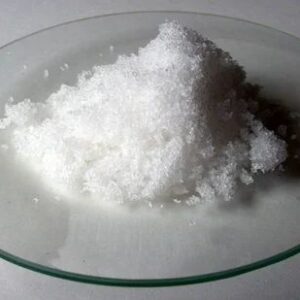
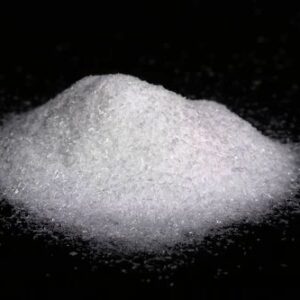
- Appearance: Grayish-black crystalline solid
- Molecular Weight: 64.10 g/mol
- Solubility: Insoluble in water; reacts with water to produce acetylene
- Melting Point: 2300 °C (4172 °F)
- Density: Approximately 2.22 g/cm³
These properties make calcium carbide suitable for various laboratory applications, particularly in generating acetylene gas for chemical reactions.
Applications of Calcium Carbide (Only for Laboratory Use)
1. Acetylene Production
One of the primary uses of calcium carbide in the laboratory is for the generation of acetylene gas. This compound is crucial in various chemical reactions, including organic synthesis, welding, and cutting metals. By adding water to calcium carbide, researchers can produce acetylene gas on-demand, making it a valuable tool for experimental setups.
2. Chemical Synthesis
Calcium carbide serves as a reagent in numerous chemical syntheses. It is often used to produce organic compounds, including vinyl acetylene and other derivatives. The reactivity of calcium carbide allows chemists to explore various pathways in synthetic organic chemistry.
3. pH Control in Soil Testing
In laboratory settings, calcium carbide is utilized to control pH levels in soil testing. When added to soil samples, it reacts with moisture to release acetylene, which can be measured to determine the soil’s pH. This application is essential for agricultural research and soil science.
4. Analytical Chemistry
Calcium carbide is employed in analytical chemistry for specific tests and reactions. Its ability to react with water makes it useful for determining moisture content in various samples. Additionally, it can be used in gas chromatography to produce acetylene as a calibration standard.
5. Metallurgical Applications
While the focus here is on laboratory use, calcium carbide also finds applications in metallurgy. In labs, it can be used to experiment with carbide forming in metals, helping researchers understand the properties and behaviors of different alloys.
Advantages of Using Calcium Carbide (Only for Laboratory Use)
1. High Reactivity
One of the key benefits of calcium carbide is its high reactivity, particularly with water. This property allows for the rapid generation of acetylene gas, making it an essential reagent for various laboratory applications.
2. Versatility
Calcium carbide’s versatility as a reagent allows for its use in multiple applications, from organic synthesis to analytical chemistry. This adaptability makes it a valuable addition to any laboratory’s chemical inventory.
3. Cost-Effectiveness
Compared to other sources of acetylene or chemical reagents, calcium carbide is relatively inexpensive. This cost-effectiveness makes it an attractive option for laboratories operating within budget constraints.
4. On-Demand Gas Generation
The ability to generate acetylene gas on-demand by simply adding water makes calcium carbide a convenient choice for laboratory settings. Researchers can produce the gas as needed, reducing waste and improving efficiency.
How to Use Calcium Carbide (Only for Laboratory Use)
1. Generating Acetylene Gas
To generate acetylene gas using calcium carbide:
- Safety First: Wear appropriate personal protective equipment (PPE), including gloves, goggles, and lab coats.
- Setup: Use a reaction vessel designed to contain gases safely.
- Reaction: Add a small amount of calcium carbide to the vessel and then introduce water gradually. Monitor the reaction closely to control gas production.
2. Chemical Synthesis
For synthetic applications:
- Procedure: Follow established protocols for the specific reaction you are conducting. Ensure that all materials are compatible with calcium carbide.
- Monitoring: Keep a close eye on reaction conditions, such as temperature and pressure, to achieve optimal results.
3. Soil Testing
In soil testing applications:
- Sample Preparation: Collect soil samples and place them in a reaction vessel.
- Calcium Carbide Addition: Add a measured amount of calcium carbide to the soil sample and allow it to react. Measure the produced acetylene to assess soil pH.
4. Analytical Chemistry
For analytical applications:
- Sample Introduction: Introduce calcium carbide into the sample matrix as required by the specific analytical method.
- Measurement: Follow standard operating procedures for gas chromatography or other methods to analyze the results.
Safety and Handling
1. Toxicity
Calcium carbide is considered hazardous, particularly due to its reactivity with water. It can release acetylene gas, which is flammable and poses explosion hazards in confined spaces.
2. Protective Measures
When handling calcium carbide, it is crucial to:
- Wear Protective Gear: Use gloves, goggles, and appropriate lab attire to protect against contact and fumes.
- Work in a Well-Ventilated Area: Ensure adequate ventilation to dissipate any acetylene gas produced during reactions.
3. Storage
Store calcium carbide in a cool, dry place, away from moisture and incompatible substances. Use airtight containers to prevent exposure to humidity, which can trigger unwanted reactions.
Environmental Considerations
When using calcium carbide in laboratory settings, consider its environmental impact. Proper disposal methods should be followed to minimize harm to the environment. Always adhere to local regulations regarding chemical waste disposal.
Conclusion
Calcium carbide (only for laboratory use) is a versatile and essential compound utilized in various applications, including acetylene production, chemical synthesis, and analytical chemistry. Its unique properties, such as high reactivity and on-demand gas generation, make it an invaluable resource for researchers and professionals alike.
When purchasing calcium carbide, choose reputable suppliers that provide high-quality products and detailed safety data sheets. Understanding its applications, benefits, and safety measures will help you maximize the potential of this remarkable compound in your laboratory work.
Whether you’re a chemist conducting research, a technician performing analyses, or an educator demonstrating chemical reactions, calcium carbide can meet your needs. Embrace the advantages of this compound and unlock new possibilities in your laboratory endeavors!


Reviews
There are no reviews yet.