

Calcium Formate Powder: An In-Depth Product Description
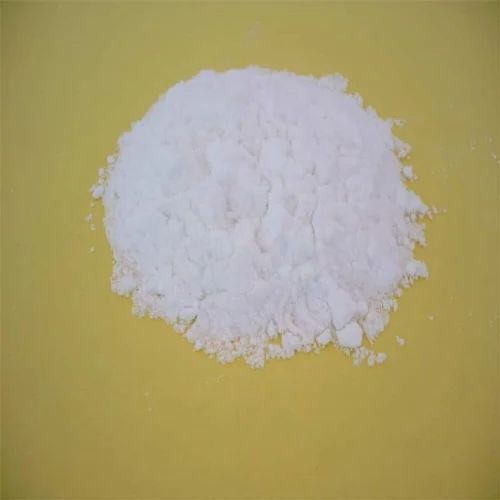
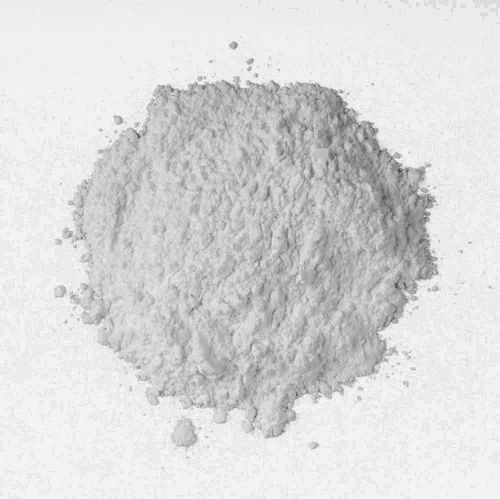
Calcium formate powder, with the chemical formula Ca(HCOO)2Ca(HCOO)_2, is an organic calcium salt derived from formic acid. This white, crystalline powder is widely recognized for its versatility and effectiveness across various industries, including construction, agriculture, and food processing. Calcium formate is appreciated for its excellent solubility, non-toxic nature, and ability to enhance the properties of numerous formulations. This comprehensive product description will explore the properties, applications, benefits, and safety considerations associated with calcium formate powder, emphasizing its significance across multiple sectors.
Chemical Properties
Composition and Structure
Calcium formate is composed of calcium (Ca) and formate (HCOO) ions, forming an ionic compound. Its structure consists of calcium ions coordinated with two formate ions, resulting in a stable crystalline form. The molecular weight of calcium formate is approximately 130.11 g/mol.
Physical Characteristics
- Appearance: White crystalline powder
- Molecular Weight: 130.11 g/mol
- Solubility: Soluble in water; forms a clear solution
- Melting Point: Decomposes at approximately 200 °C (392 °F)
- Density: Around 1.6 g/cm³
These properties make calcium formate powder suitable for a wide range of applications in various industries.
Applications of Calcium Formate Powder
1. Construction Industry
Calcium formate powder is widely used as a concrete additive. It acts as a setting accelerator, improving the early strength of concrete and reducing curing times. By enhancing the workability of concrete mixtures, calcium formate helps produce high-quality construction materials that can withstand harsh conditions.
2. Agriculture
In agriculture, calcium formate powder serves as a feed additive for livestock. It improves the absorption of nutrients and promotes healthy growth, enhancing overall animal health. Additionally, it can be used as a soil conditioner, helping to improve soil structure and fertility.
3. Food Industry
Calcium formate is utilized in the food industry as a preservative and pH regulator. It helps maintain the quality and shelf life of various food products. Its non-toxic nature makes it suitable for use in food processing applications, ensuring compliance with food safety regulations.
4. Chemical Manufacturing
In the chemical industry, calcium formate powder is used as a raw material in the production of other chemicals. It serves as a source of calcium and formate ions in various chemical reactions, making it a valuable ingredient in the synthesis of organic compounds.
5. Textile Industry
Calcium formate is employed in the textile industry as a mordant in dyeing processes. It helps fix dyes to fabrics, ensuring vibrant colors and improved colorfastness. This application is crucial for producing high-quality textiles that withstand washing and exposure to light.
6. Environmental Applications
Calcium formate powder is also used in environmental applications, such as wastewater treatment. It acts as a reducing agent, helping to remove heavy metals and other contaminants from wastewater, thus contributing to environmental sustainability.
Advantages of Using Calcium Formate Powder
1. High Solubility
One of the key advantages of calcium formate powder is its high solubility in water. This property makes it easy to incorporate into various formulations, ensuring uniform distribution and effectiveness in applications.
2. Non-Toxic Nature
Calcium formate is considered safe and non-toxic, making it suitable for use in food, agriculture, and other applications where safety is a priority. Its compliance with health regulations enhances its appeal to manufacturers and consumers alike.
3. Versatility
The diverse applications of calcium formate powder highlight its versatility. Whether used in construction, agriculture, food processing, or environmental management, its effectiveness across multiple sectors makes it an indispensable resource.
4. Cost-Effectiveness
Calcium formate is relatively inexpensive compared to other additives, making it a cost-effective solution for businesses and industries looking to enhance the quality of their products without significantly increasing costs.
How to Use Calcium Formate Powder
1. In Construction
When using calcium formate powder as a concrete additive:
- Dosage: Typical dosage ranges from 0.5% to 2% of the cement weight, depending on the specific requirements of the mix.
- Mixing: Add calcium formate to the concrete mix during the batching process to ensure uniform distribution and optimal performance.
2. In Agriculture
For agricultural applications:
- Feed Additive: Mix calcium formate powder into animal feed according to recommended guidelines, typically at rates of 1% to 2%.
- Soil Conditioner: Apply calcium formate to soil as needed, ensuring even distribution to enhance soil structure and fertility.
3. In Food Processing
When using calcium formate in food applications:
- Dosage: Follow food safety regulations and dosage guidelines, typically ranging from 0.1% to 0.5% of the total formulation.
- Mixing: Incorporate calcium formate during processing to achieve desired preservation and pH regulation effects.
4. In Chemical Manufacturing
For chemical applications:
- Preparation: Use calcium formate powder according to specific protocols for ensuring the correct dosage and effectiveness in chemical reactions.
- Quality Control: Regularly monitor the quality of formulations to ensure compliance with industry standards.
5. In Textile Industry
When using calcium formate in dyeing:
- Application: Add calcium formate as a mordant in dye solutions to improve color fixation and fastness.
- Monitoring: Assess the effectiveness of dyeing processes to achieve desired color outcomes and quality.
6. In Environmental Applications
For environmental uses:
- Application: Utilize calcium formate powder in wastewater treatment processes as needed to effectively remove contaminants.
- Monitoring: Regularly evaluate the performance of calcium formate in environmental applications to ensure compliance with regulatory standards.
Safety and Handling
1. Toxicity
Calcium formate powder is generally considered safe for handling and use. However, it is essential to follow safety guidelines to minimize any potential risks.
2. Protective Measures
When working with calcium formate powder, it is crucial to:
- Wear Protective Gear: Use gloves, goggles, and appropriate protective clothing to minimize exposure during handling.
- Ensure Ventilation: Work in a well-ventilated area to avoid inhaling dust.
3. Storage
Store calcium formate powder in a cool, dry place away from incompatible substances. Ensure that containers are tightly sealed to prevent moisture absorption and degradation.
Environmental Considerations
When using calcium formate powder, consider its environmental impact. Proper disposal methods should be followed to minimize harm to the environment. Always adhere to local regulations regarding chemical waste disposal.
Conclusion
Calcium formate powder is a versatile and essential compound utilized in various industries, including construction, agriculture, food processing, and environmental management. Its unique properties, such as high solubility and non-toxic nature, make it an invaluable resource for professionals and manufacturers alike.
When purchasing calcium formate powder, choose reputable suppliers that provide high-quality products and detailed safety data sheets. Understanding its applications, benefits, and safety measures will help you maximize the potential of this remarkable compound in your projects.
Whether you’re a construction professional looking to enhance concrete quality, an agricultural expert aiming to improve livestock health, or a manufacturer in the food industry, calcium formate powder can meet your needs. Embrace the advantages of this compound and unlock new possibilities in your field!


Reviews
There are no reviews yet.