

Calcium Chloride Anhydrous: A Comprehensive Overview
Calcium chloride anhydrous, with the chemical formula CaCl2CaCl_2, is a highly versatile and hygroscopic compound that plays a crucial role in various industrial and commercial applications. As a white, crystalline solid, calcium chloride anhydrous is known for its exceptional ability to absorb moisture from the environment, making it an essential ingredient in several processes. This detailed product description will explore the properties, applications, benefits, and safety measures associated with calcium chloride anhydrous, highlighting its significance across multiple sectors.
Chemical Properties
Composition and Structure
Calcium chloride anhydrous is composed of calcium (Ca) and chlorine (Cl) atoms, forming an ionic compound. It has a molecular weight of approximately 110.98 g/mol. Unlike its hydrated counterpart, calcium chloride dihydrate (CaCl2⋅2H2OCaCl_2 \cdot 2H_2O), anhydrous calcium chloride contains no water molecules in its structure, making it more concentrated and effective in certain applications.
Physical Characteristics
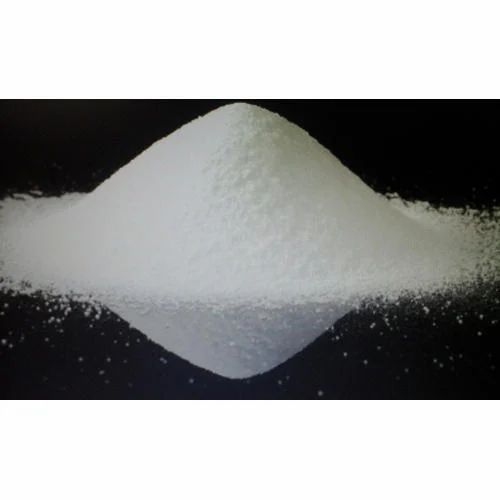
- Appearance: White, granular or crystalline solid
- Molecular Weight: 110.98 g/mol
- Solubility: Highly soluble in water; dissolves exothermically
- Melting Point: 772 °C (1422 °F)
- Density: Approximately 2.15 g/cm³
These properties make calcium chloride anhydrous suitable for a wide range of applications in different industries.
Applications of Calcium Chloride Anhydrous
1. Deicing and Snow Melting
One of the most common uses of calcium chloride anhydrous is as a deicing agent. Due to its ability to lower the freezing point of water, it is widely employed for melting snow and ice on roads, sidewalks, and parking lots. Calcium chloride provides a more effective solution compared to traditional rock salt, as it remains effective at lower temperatures.
2. Dust Control
In construction and mining industries, calcium chloride anhydrous is used for dust control. When applied to unpaved roads and construction sites, it attracts moisture from the air, keeping surfaces damp and minimizing dust generation. This helps improve air quality and safety for workers and nearby communities.
3. Food Preservation
Calcium chloride anhydrous is utilized in the food industry as a firming agent and preservative. It is commonly added to canned vegetables and fruits to maintain their texture and crispness. Additionally, it is used in cheese production to improve the curd’s firmness and overall quality.
4. Chemical Manufacturing
In the chemical industry, calcium chloride anhydrous serves as a key ingredient in various chemical reactions and processes. It is used in the production of calcium salts, such as calcium carbonate and calcium hypochlorite. Its hygroscopic nature also makes it useful for drying organic solvents and gases.
5. Agriculture
Calcium chloride anhydrous is employed in agriculture as a calcium source for soil amendment. It helps to improve soil structure and fertility, promoting healthy plant growth. Additionally, it can be used to prevent calcium deficiencies in crops, ensuring optimal yields.
6. Industrial Applications
Calcium chloride anhydrous is widely used in the industrial sector for various applications, including:
- Cooling and Heating Systems: It is used as a coolant in refrigeration systems and as a heat transfer medium in various industrial processes.
- Oil and Gas Industry: In oil drilling, calcium chloride anhydrous is used to control fluid density and prevent hydrate formation.
Advantages of Using Calcium Chloride Anhydrous
1. Highly Effective Deicing Agent
Calcium chloride anhydrous is more effective than many other deicing agents, such as sodium chloride (table salt), particularly in extreme cold conditions. Its ability to work at lower temperatures makes it a preferred choice for winter maintenance.
2. Hygroscopic Nature
The hygroscopic properties of calcium chloride anhydrous allow it to attract and hold moisture from the environment. This makes it an excellent choice for dust control and as a drying agent in various industrial applications.
3. Versatility
The diverse range of applications for calcium chloride anhydrous highlights its versatility. Whether used in food preservation, chemical manufacturing, or agriculture, its effectiveness across multiple sectors makes it an indispensable resource.
4. Cost-Effectiveness
Calcium chloride anhydrous is relatively inexpensive compared to other chemical agents, making it a cost-effective solution for businesses and industries looking to manage budgets while maintaining efficiency.
How to Use Calcium Chloride Anhydrous
1. As a Deicing Agent
When using calcium chloride anhydrous for deicing:
- Application Rate: Spread the product evenly over icy surfaces at a recommended rate, typically between 1 to 3 pounds per 100 square feet, depending on the severity of ice.
- Monitoring: Observe the effectiveness and reapply as necessary, particularly during prolonged cold spells.
2. For Dust Control
To use calcium chloride anhydrous for dust control:
- Mixing: Dissolve calcium chloride in water to create a solution. Apply this solution to unpaved surfaces to minimize dust.
- Frequency: Reapply as needed, especially during dry weather conditions, to maintain moisture levels.
3. In Food Preservation
When adding calcium chloride anhydrous to food products:
- Dosage: Follow established guidelines for appropriate dosages based on the specific application. Consult food safety regulations to ensure compliance.
- Mixing: Incorporate into food products during processing to achieve desired firmness and preservation effects.
4. In Chemical Manufacturing
For chemical applications:
- Preparation: Use calcium chloride anhydrous according to specific reaction protocols. Ensure proper handling and storage to maintain product integrity.
- Safety Protocols: Follow safety guidelines to minimize exposure to dust and ensure safe handling of chemicals.
5. In Agriculture
When using calcium chloride anhydrous in agriculture:
- Application: Mix into soil or fertilizers based on soil tests and crop requirements. Typical application rates may vary, so assess soil nutrient levels for optimal effectiveness.
- Monitoring: Regularly evaluate soil health and plant growth to adjust application rates as needed.
Safety and Handling
1. Toxicity
Calcium chloride anhydrous is generally considered safe when handled properly. However, it can cause irritation to the skin, eyes, and respiratory system if inhaled or ingested in large quantities.
2. Protective Measures
When working with calcium chloride anhydrous, it is crucial to:
- Wear Protective Gear: Use gloves, goggles, and appropriate lab attire to protect against contact and fumes.
- Ensure Ventilation: Work in a well-ventilated area to avoid inhaling dust.
3. Storage
Store calcium chloride anhydrous in a cool, dry place away from incompatible substances. Use airtight containers to prevent moisture absorption, which can lead to clumping or degradation.
Environmental Considerations
When using calcium chloride anhydrous, consider its environmental impact. Proper disposal methods should be followed to minimize harm to the environment. Always adhere to local regulations regarding chemical waste disposal.
Conclusion
Calcium chloride anhydrous is a versatile and essential compound utilized in various industries, including deicing, food preservation, agriculture, and chemical manufacturing. Its unique properties, such as high effectiveness and hygroscopic nature, make it an invaluable resource for professionals and manufacturers alike.
When purchasing calcium chloride anhydrous, choose reputable suppliers that provide high-quality products and detailed safety data sheets. Understanding its applications, benefits, and safety measures will help you maximize the potential of this remarkable compound in your projects.
Whether you’re a winter maintenance professional, a food manufacturer, or an agricultural expert, calcium chloride anhydrous can meet your needs. Embrace the advantages of this compound and unlock new possibilities in your field!


Reviews
There are no reviews yet.