

White Calcium Chloride: The Ultimate Product Guide
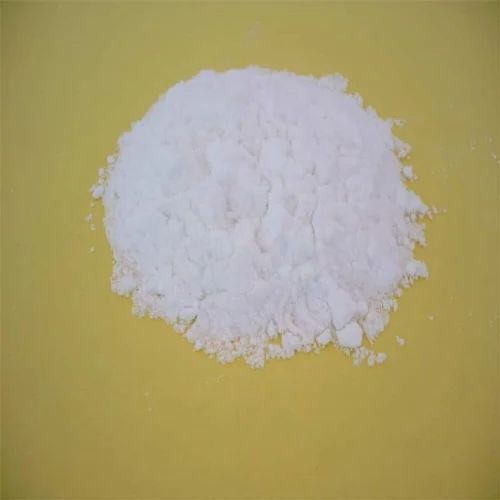
White calcium chloride, with the chemical formula CaCl2CaCl_2, is a versatile and widely used inorganic compound known for its hygroscopic properties and effectiveness in various applications. This white crystalline powder or solid is highly soluble in water and plays a crucial role in industries ranging from construction to food processing. Renowned for its ability to absorb moisture and control humidity, white calcium chloride is essential for many commercial processes. In this comprehensive product description, we will explore its properties, applications, benefits, and safety considerations, highlighting its significance across multiple fields.
Chemical Properties
Composition and Structure
White calcium chloride consists of calcium ions (Ca²⁺) and chloride ions (Cl⁻). It is produced through the reaction of hydrochloric acid with calcium carbonate or calcium hydroxide. The molecular weight of calcium chloride is approximately 110.98 g/mol.
Physical Characteristics
- Appearance: White crystalline or granular solid
- Molecular Weight: 110.98 g/mol
- Solubility: Highly soluble in water; it exothermically dissolves, releasing heat
- Melting Point: 772 °C (decomposes)
These properties make white calcium chloride suitable for a variety of applications across different industries.
Applications of White Calcium Chloride
1. Deicing and Anti-icing Agent
One of the primary uses of white calcium chloride is in deicing and anti-icing:
- Road Safety: Calcium chloride is widely used as a deicing agent on roads, highways, and sidewalks during winter. Its ability to lower the freezing point of water helps prevent ice formation and promotes safe travel conditions.
- Effective Melting: It is more effective than sodium chloride (table salt) in lower temperatures, making it a preferred choice in harsh winter conditions.
2. Construction and Building Materials
In the construction industry, white calcium chloride serves several important functions:
- Accelerator in Concrete: Calcium chloride is commonly used as an accelerator in concrete mixtures. It speeds up the curing process, allowing concrete to set faster, which is essential in cold weather construction.
- Moisture Control: In construction sites, calcium chloride helps control moisture levels, preventing damage to building materials and ensuring quality.
3. Food Processing
White calcium chloride is also utilized in the food industry:
- Firming Agent: It is used as a firming agent in canned vegetables and fruits, helping to maintain their texture and crunchiness.
- Preservative: Calcium chloride can act as a preservative in various food products, enhancing their shelf life and safety.
4. Water Treatment
In water treatment processes, white calcium chloride is employed for:
- Hardness Adjustment: Calcium chloride is used to increase the hardness of water in swimming pools and industrial applications, improving water quality and stability.
- Flocculant Aid: It assists in the flocculation process, helping to clarify water by promoting the aggregation of suspended particles.
5. Chemical Manufacturing
In chemical manufacturing, calcium chloride plays a vital role:
- Reagent: It is used as a reagent in various chemical reactions, facilitating the production of other compounds.
- Desiccant: Calcium chloride’s hygroscopic nature makes it an effective desiccant, used to absorb moisture in laboratory and industrial settings.
Advantages of Using White Calcium Chloride
1. Highly Effective Deicer
One of the primary advantages of white calcium chloride is its effectiveness as a deicing agent. Its ability to work efficiently at lower temperatures makes it invaluable for winter road maintenance and safety.
2. Versatility
White calcium chloride is a versatile compound with applications across multiple industries, including construction, food processing, water treatment, and chemical manufacturing. Its multifunctional properties make it a valuable resource for professionals.
3. Fast-Acting
Calcium chloride acts quickly when dissolved in water, providing immediate results in deicing and curing applications. This rapid action is essential for time-sensitive processes.
4. Cost-Effectiveness
Compared to other deicing agents and moisture control solutions, white calcium chloride is often more affordable, providing significant benefits without requiring large quantities. This makes it an economical choice for manufacturers and contractors alike.
How to Use White Calcium Chloride
1. In Deicing Applications
When using calcium chloride for deicing:
- Dosage: The recommended dosage varies depending on the specific conditions, typically ranging from 10 to 20 pounds per 1,000 square feet of surface area.
- Application: Spread calcium chloride evenly on icy surfaces before or during snowfall to prevent ice formation and promote melting.
2. In Concrete Acceleration
For construction applications:
- Mixing: Add calcium chloride to concrete mixtures at a concentration of about 1-2% of the weight of cement to accelerate curing.
- Monitoring: Regularly monitor temperature and moisture conditions to ensure optimal curing and prevent cracking.
3. In Food Processing
For food applications:
- Firming Agent: Use calcium chloride at recommended concentrations, typically around 0.5% to 1%, when processing canned vegetables and fruits to maintain texture.
- Quality Control: Regularly assess the quality of processed foods to ensure safety and effectiveness.
4. In Water Treatment
For water treatment applications:
- Dosage: The dosage of calcium chloride depends on the hardness level required, typically ranging from 1 to 3 mg/L for swimming pools.
- Application: Dissolve calcium chloride in water and add it to the treatment system, ensuring proper mixing for effective results.
5. In Chemical Manufacturing
When using calcium chloride as a reagent:
- Reagent Use: Follow established protocols for using calcium chloride in chemical reactions, ensuring accurate measurements for desired outcomes.
- Storage: Store in a cool, dry place to maintain effectiveness.
Safety and Handling
1. Toxicity
White calcium chloride is generally regarded as safe for use in food and industrial applications when handled properly. However, excessive exposure can cause irritation to the skin, eyes, and respiratory tract.
2. Protective Measures
When handling white calcium chloride, it is essential to:
- Wear Protective Gear: Use gloves, goggles, and appropriate lab attire to minimize exposure risks.
- Ensure Proper Ventilation: Work in a well-ventilated area to avoid inhaling dust or fumes.
3. Storage
Store white calcium chloride in a cool, dry place away from direct sunlight and moisture. Ensure that containers are tightly sealed to prevent contamination and degradation.
Environmental Considerations
Calcium chloride is considered environmentally friendly when used according to recommended practices. However, proper disposal methods should be followed to minimize any potential impact. Always adhere to local regulations regarding chemical waste disposal.
Conclusion
White calcium chloride is a versatile and essential compound widely used in deicing, construction, food processing, water treatment, and chemical manufacturing. Its unique properties, including effectiveness as a deicer and hygroscopic nature, make it an invaluable resource for professionals across various industries.
When purchasing white calcium chloride, choose reputable suppliers that provide high-quality products and detailed safety data sheets. Understanding its applications, benefits, and safety measures will help you maximize the potential of this remarkable compound in your projects.
Whether you’re a contractor looking to improve winter safety, a food processor aiming to enhance product quality, or a chemist in need of reliable reagents, white calcium chloride can meet your needs. Embrace the advantages of this compound and unlock new possibilities in your field!



Reviews
There are no reviews yet.