

Ammonium Oxalate Chemical: A Comprehensive Product Overview
Ammonium oxalate chemical, with the chemical formula (NH4)2C2O4, is a versatile inorganic compound widely utilized across various industries. Known for its unique properties and diverse applications, ammonium oxalate chemical plays a significant role in fields such as analytical chemistry, pharmaceuticals, and agriculture. This detailed product description explores the properties, applications, benefits, and safety measures associated with ammonium oxalate, providing essential insights for those interested in this crucial compound.
Chemical Properties
Composition and Structure
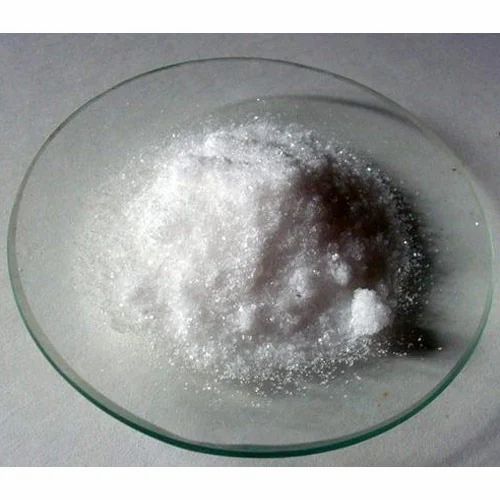
Ammonium oxalate consists of ammonium ions (NH4+) and oxalate ions (C2O4²−). It is typically encountered as a white crystalline solid that is highly soluble in water. The compound has a molecular weight of approximately 146.17 g/mol, making it a lightweight but effective reagent for various applications.
Physical Characteristics
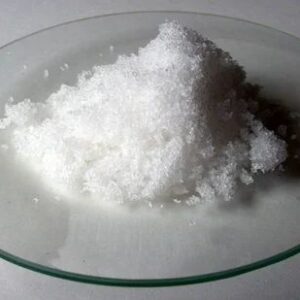
- Appearance: White crystalline powder
- Molecular Weight: 146.17 g/mol
- Solubility: Highly soluble in water
- Melting Point: Decomposes upon heating
- pH: Slightly acidic in solution
These characteristics make ammonium oxalate chemical suitable for a wide range of applications across multiple sectors.
Applications of Ammonium Oxalate Chemical
1. Analytical Chemistry
Ammonium oxalate is widely used in analytical chemistry as a reagent. It is particularly valuable in the gravimetric determination of calcium and other metal ions. The compound forms insoluble precipitates with calcium ions, allowing for accurate quantification in various laboratory analyses.
2. Pharmaceuticals
In the pharmaceutical industry, ammonium oxalate is used as an intermediate in the synthesis of various drugs. Its unique chemical properties make it a useful compound for creating active pharmaceutical ingredients (APIs). Additionally, it serves as a stabilizer in certain formulations, enhancing the overall efficacy of medications.
3. Agriculture
Ammonium oxalate chemical is employed in agriculture as a source of nutrients for plants. It is particularly beneficial in soil testing, where it helps extract available nutrients, including calcium and magnesium, for analysis. By aiding in soil nutrient assessment, ammonium oxalate contributes to improved crop yields and soil health.
4. Metal Treatment
In metallurgy, ammonium oxalate is used for metal treatment processes. It acts as a complexing agent, helping to remove impurities and enhance the quality of metal surfaces. This application is critical in industries where high purity and quality standards are necessary.
5. Photography
Historically, ammonium oxalate was used in photographic processes, particularly in the production of sensitized papers. Its ability to form stable complexes made it valuable for creating high-quality photographic prints. Although digital photography has largely replaced traditional methods, ammonium oxalate remains relevant in specialized applications.
Advantages of Using Ammonium Oxalate Chemical
1. High Solubility
One of the key benefits of ammonium oxalate chemical is its high solubility in water. This property allows for easy incorporation into various formulations and processes, making it user-friendly for different applications.
2. Versatility
The diverse applications of ammonium oxalate chemical highlight its versatility. From analytical chemistry to pharmaceuticals and agriculture, its effectiveness across multiple sectors showcases its adaptability and importance in various industries.
3. Cost-Effectiveness
Compared to other reagents and compounds, ammonium oxalate is relatively inexpensive. This cost-effectiveness makes it an attractive option for manufacturers and researchers seeking reliable solutions without significant financial burdens.
4. Stability
Ammonium oxalate chemical is stable under normal storage conditions, ensuring its reliability in various applications. Proper handling and storage conditions will maintain its integrity over time.
How to Use Ammonium Oxalate Chemical
1. In Analytical Chemistry
When using ammonium oxalate in analytical applications:
- Preparation: Dissolve ammonium oxalate in distilled water to prepare a standard solution for use in assays.
- Protocol Adherence: Follow established laboratory methods for accurate and reliable results, particularly in gravimetric analyses for metals like calcium.
2. In Pharmaceuticals
For pharmaceutical formulations:
- Measurement: Ensure accurate dosing according to established guidelines for drug synthesis and formulation.
- Mixing: Incorporate ammonium oxalate into formulations to achieve the desired chemical properties and therapeutic effects.
- Quality Control: Regularly test for purity and efficacy to maintain product standards.
3. In Agriculture
In agricultural applications:
- Soil Testing: Use ammonium oxalate to extract available nutrients from soil samples, facilitating accurate nutrient analysis.
- Application: Apply according to soil test results to enhance nutrient availability for crops, particularly in calcium and magnesium-deficient soils.
4. In Metal Treatment
For metal treatment processes:
- Preparation: Mix ammonium oxalate with water to create a solution suitable for treating metal surfaces.
- Application: Apply the solution to metal surfaces to remove impurities and enhance quality.
- Monitoring: Conduct regular tests to assess the effectiveness of the treatment process.
Safety and Handling
1. Toxicity
Ammonium oxalate is generally considered safe when handled properly. However, it can be toxic in large quantities and may cause irritation to the skin, eyes, and respiratory system. Proper precautions should be taken to avoid exposure.
2. Protective Measures
When working with ammonium oxalate chemical, it is crucial to:
- Wear Protective Gear: Use gloves, goggles, and appropriate protective clothing to minimize exposure risks.
- Ensure Ventilation: Work in a well-ventilated area to avoid inhaling dust or fumes.
3. Storage
Store ammonium oxalate chemical in a cool, dry place away from incompatible substances. Ensure that containers are tightly sealed to prevent moisture absorption, which can lead to degradation.
Environmental Considerations
When using ammonium oxalate chemical, it is essential to consider its environmental impact. Proper disposal methods should be followed to minimize harm to the environment, especially due to its oxalate content. Always adhere to local regulations regarding chemical waste disposal.
Conclusion
Ammonium oxalate chemical is a versatile and essential compound utilized across various industries, including analytical chemistry, pharmaceuticals, agriculture, and metallurgy. Its unique properties, such as high solubility and stability, make it an invaluable resource for professionals and manufacturers alike.
When purchasing ammonium oxalate, choose reputable suppliers that provide high-quality products and detailed safety data sheets. Understanding its applications, benefits, and safety measures will help you maximize the potential of this remarkable compound in your projects.
Whether you’re a researcher conducting experiments in a laboratory, a pharmaceutical professional formulating new medications, or an agricultural expert seeking to enhance soil health, ammonium oxalate chemical can meet your needs. Embrace the advantages of this compound and unlock new possibilities in your field!

Reviews
There are no reviews yet.