
Potassium Permanganate Chemical: The Ultimate Product Guide
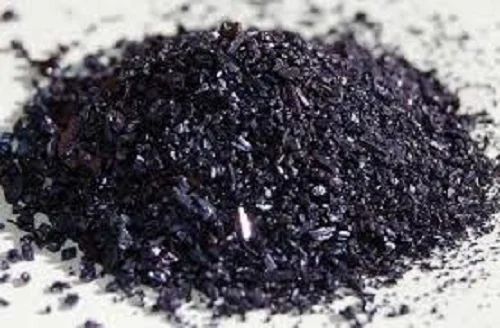
Potassium permanganate chemical, with the chemical formula KMnO4KMnO_4, is an inorganic compound that appears as a dark purple or almost black crystalline solid. This powerful oxidizing agent is widely recognized for its versatility and numerous applications across various industries, including water treatment, pharmaceuticals, and agriculture. Known for its strong oxidative properties, potassium permanganate chemical plays a crucial role in many chemical processes. In this comprehensive product description, we will explore its properties, applications, benefits, and safety considerations, highlighting its significance across multiple fields.
Chemical Properties
Composition and Structure
Potassium permanganate consists of potassium ions (K⁺) and permanganate ions (MnO₄⁻). It is typically produced through the oxidation of manganese dioxide in the presence of potassium hydroxide, resulting in a highly soluble compound. The molecular weight of potassium permanganate is approximately 158.04 g/mol.
Physical Characteristics
- Appearance: Dark purple to black crystalline solid
- Molecular Weight: 158.04 g/mol
- Solubility: Soluble in water; insoluble in organic solvents
- pH: Acidic in solution
- Melting Point: Decomposes at around 240 °C
These properties make potassium permanganate chemical suitable for a variety of applications across different industries.
Applications of Potassium Permanganate Chemical
1. Water Treatment
One of the primary uses of potassium permanganate is in water treatment:
- Oxidizing Agent: It is commonly used to oxidize iron and manganese in water supplies, effectively removing these contaminants and improving water quality.
- Disinfectant: Potassium permanganate acts as a disinfectant, helping to eliminate bacteria, viruses, and other pathogens in drinking water systems.
2. Pharmaceuticals
In the pharmaceutical sector, potassium permanganate is utilized for:
- Antiseptic: It is often employed as an antiseptic in topical solutions for treating skin infections, wounds, and ulcers. Its oxidizing properties help to kill bacteria and promote healing.
- Water Purification: Potassium permanganate is used in some medical treatments to purify water for clinical use.
3. Agriculture
In agriculture, potassium permanganate plays a significant role:
- Fungicide: It is used as a fungicide to control various plant diseases. Its effectiveness in killing fungal spores helps protect crops and improve yields.
- Soil Treatment: Potassium permanganate can be applied to soil to oxidize organic matter, enhancing soil health and fertility.
4. Chemical Manufacturing
In chemical manufacturing, potassium permanganate serves several important functions:
- Reagent: It is widely used as a reagent in organic synthesis, facilitating various chemical reactions, including the oxidation of alcohols and aldehydes.
- Dye Production: Potassium permanganate is used in the production of dyes, contributing to the synthesis of various colorants.
5. Laboratory Use
In laboratory settings, potassium permanganate is frequently used:
- Redox Titration: It serves as a standard reagent in redox titrations for determining the concentration of reducing agents in solutions.
- Staining Agent: Potassium permanganate can be used as a staining agent in microscopy, enhancing the visibility of biological samples.
Advantages of Using Potassium Permanganate Chemical
1. Strong Oxidizing Properties
One of the primary advantages of potassium permanganate chemical is its strong oxidizing capabilities. This property makes it highly effective in various applications, particularly in water treatment and chemical synthesis.
2. Versatility
Potassium permanganate is a versatile compound with applications across multiple industries, including water treatment, pharmaceuticals, agriculture, and chemical manufacturing. Its multifunctional properties make it a valuable resource for professionals.
3. High Solubility
The high solubility of potassium permanganate in water allows for easy incorporation into various formulations and processes, enhancing its utility in different applications.
4. Cost-Effectiveness
Compared to other oxidizing agents and disinfectants, potassium permanganate is often more affordable, providing significant benefits without requiring large quantities. This makes it an economical choice for manufacturers and researchers alike.
How to Use Potassium Permanganate Chemical
1. In Water Treatment
When using potassium permanganate in water treatment:
- Dosage: The recommended dosage may vary depending on the specific application, but typical concentrations range from 1 to 5 mg/L for water disinfection.
- Application: Dissolve the required amount in water and introduce it into the treatment system, ensuring even distribution for effective oxidation.
2. In Pharmaceuticals
For pharmaceutical applications:
- Preparation: Potassium permanganate can be prepared as a topical solution at concentrations of 1:10,000 to 1:5,000, depending on the intended use.
- Application: Apply the solution to the affected area as directed by a healthcare professional to treat infections or wounds.
3. In Agriculture
For agricultural applications:
- Dosage: The recommended dosage for fungicidal use typically ranges from 0.1% to 0.5% solutions, depending on the type of crop and disease.
- Spraying: Mix potassium permanganate with water and spray it on crops to control fungal diseases effectively.
4. In Chemical Manufacturing
When incorporating potassium permanganate into chemical processes:
- Reagent Use: Follow established protocols for using potassium permanganate as a reagent in reactions, ensuring accurate measurements for desired outcomes.
- Monitoring Reactions: Regularly assess the progress of chemical reactions to ensure successful synthesis and purification.
5. In Laboratory Use
When using potassium permanganate in laboratory experiments:
- Preparation: Prepare solutions according to the required concentrations for specific analyses, ensuring proper handling and safety measures.
- Titration Procedures: Use potassium permanganate as a titrant in redox titrations, following established protocols for accurate measurements.
Safety and Handling
1. Toxicity
Potassium permanganate is generally safe when used in controlled amounts, but excessive exposure can lead to irritation of the skin, eyes, and respiratory tract. It is important to handle this compound with care.
2. Protective Measures
When handling potassium permanganate chemical, it is essential to:
- Wear Protective Gear: Use gloves, goggles, and appropriate lab attire to minimize exposure risks.
- Ensure Proper Ventilation: Work in a well-ventilated area or use fume hoods to avoid inhaling dust or fumes.
3. Storage
Store potassium permanganate in a cool, dry place away from direct sunlight and moisture. Ensure that containers are tightly sealed to prevent contamination and degradation.
Environmental Considerations
Potassium permanganate is considered environmentally friendly when used according to recommended practices. However, proper disposal methods should be followed to minimize any potential impact. Always adhere to local regulations regarding chemical waste disposal.
Conclusion
Potassium permanganate chemical is a versatile and essential compound widely used in water treatment, pharmaceuticals, agriculture, chemical manufacturing, and laboratory settings. Its unique properties, including strong oxidizing capabilities and high solubility, make it an invaluable resource for professionals across various industries.
When purchasing potassium permanganate, choose reputable suppliers that provide high-quality products and detailed safety data sheets. Understanding its applications, benefits, and safety measures will help you maximize the potential of this remarkable compound in your projects.
Whether you’re a water treatment professional aiming to improve water quality, a pharmaceutical expert seeking reliable antiseptics, or a researcher looking for effective reagents, potassium permanganate chemical can meet your needs. Embrace the advantages of this compound and unlock new possibilities in your field!

Reviews
There are no reviews yet.