

Tri Potassium Citrate: The Ultimate Product Guide
Tri potassium citrate, known by its chemical formula K3C6H5O7K_3C_6H_5O_7, is a vital potassium salt of citric acid. This white, crystalline powder plays a significant role in various industries, including food and beverages, pharmaceuticals, and agriculture. Renowned for its buffering properties and health benefits, tri potassium citrate is essential for numerous applications. In this comprehensive product description, we will explore its properties, applications, benefits, and safety considerations, highlighting its importance across multiple fields.
Chemical Properties
Composition and Structure
Tri potassium citrate consists of three potassium ions (K⁺) and one citrate ion (C₆H₅O₇³⁻). It is typically produced by neutralizing citric acid with potassium hydroxide. The molecular weight of tri potassium citrate is approximately 306.39 g/mol.
Physical Characteristics
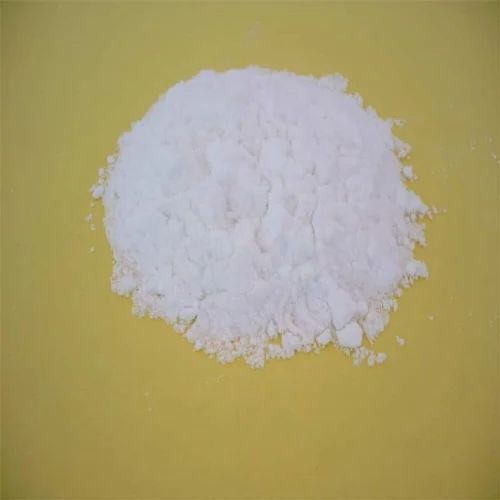
- Appearance: White crystalline powder
- Molecular Weight: 306.39 g/mol
- Solubility: Highly soluble in water
- pH: Neutral to slightly alkaline in solution
These properties make tri potassium citrate suitable for a variety of applications across different industries.
Applications of Tri Potassium Citrate
1. Food and Beverage Industry
One of the primary uses of tri potassium citrate is in the food and beverage industry:
- Food Additive: Tri potassium citrate is commonly used as a food additive, where it acts as a buffering agent, stabilizer, and flavor enhancer. Its ability to maintain pH levels ensures the quality and safety of various food products.
- Preservative: It helps in preserving the freshness of food items by inhibiting microbial growth and preventing spoilage.
2. Pharmaceuticals
In the pharmaceutical sector, tri potassium citrate is utilized for:
- Excipients: It serves as an excipient in pharmaceutical formulations, aiding in the stabilization of active ingredients and enhancing the overall efficacy of medications.
- Urinary Alkalinizer: Tri potassium citrate is often used in formulations designed to alkalinize urine, helping to prevent the formation of kidney stones.
3. Agriculture
Tri potassium citrate plays a significant role in agriculture:
- Fertilizer Component: As a source of potassium, it is used in fertilizers to promote plant growth and improve crop yield. Potassium is essential for various plant processes, including photosynthesis and nutrient transport.
- Soil Amendment: Tri potassium citrate can enhance soil fertility, improving nutrient availability and overall soil health.
4. Cosmetics and Personal Care
In the cosmetics and personal care industry, tri potassium citrate is commonly used:
- pH Adjuster: It acts as a pH adjuster in cosmetic formulations, ensuring products remain within the desired pH range for optimal skin compatibility.
- Stabilizer: The compound helps stabilize emulsions and formulations, improving the texture and effectiveness of personal care products.
5. Laboratory Use
In laboratory settings, tri potassium citrate is frequently utilized:
- Buffer Solutions: It is commonly used to prepare buffer solutions, providing a stable pH environment for biochemical assays and experiments.
- Analytical Applications: Tri potassium citrate can be used in various analytical procedures, including titrations and qualitative analysis, making it an essential reagent for chemists.
Advantages of Using Tri Potassium Citrate
1. Versatility
One of the primary advantages of tri potassium citrate is its versatility. It finds applications across multiple industries, including food, pharmaceuticals, agriculture, and cosmetics. This multifunctional nature makes it a valuable resource for professionals in various fields.
2. Effective Buffering Properties
Tri potassium citrate is known for its effective buffering capabilities, which help maintain stable pH levels in various formulations. This characteristic is crucial in both food and pharmaceutical applications, ensuring quality and consistency.
3. Nutrient Source
As a potassium-rich compound, tri potassium citrate provides essential nutrients for plant growth, making it an excellent choice for fertilizers and soil amendments.
4. Cost-Effectiveness
Compared to other buffering agents and fertilizers, tri potassium citrate is often more affordable, providing significant benefits without requiring large quantities. This makes it an economical choice for manufacturers and researchers alike.
How to Use Tri Potassium Citrate
1. In the Food and Beverage Industry
When using tri potassium citrate in food applications:
- Dosage: The recommended dosage varies depending on the specific application, typically ranging from 0.1% to 0.5% of the total product weight.
- Incorporation: Mix tri potassium citrate with other ingredients during food processing to ensure even distribution and stability.
2. In Pharmaceuticals
For pharmaceutical applications:
- Formulation: Incorporate tri potassium citrate into formulations at recommended concentrations, typically around 0.1% to 1%.
- Quality Control: Regularly monitor the stability and efficacy of formulations to ensure compliance with industry standards.
3. In Agriculture
When using tri potassium citrate in agricultural applications:
- Fertilizer Application: The recommended dosage typically ranges from 100 to 300 kg per hectare, depending on soil tests and crop requirements. It can be mixed into the soil or applied as a foliar spray.
- Soil Amendment: Incorporate tri potassium citrate into soil at recommended rates to improve fertility and nutrient availability.
4. In Cosmetics and Personal Care
For cosmetic applications:
- Formulation: Use tri potassium citrate in lotions, creams, and shampoos at recommended concentrations, typically around 0.5% to 2%.
- Stability Testing: Regularly assess the stability and effectiveness of cosmetic formulations to ensure quality.
5. In Laboratory Use
When using tri potassium citrate in laboratory experiments:
- Preparation of Buffers: Prepare buffer solutions by dissolving tri potassium citrate in water at the required concentrations, ensuring proper handling and safety measures.
- Analytical Procedures: Incorporate tri potassium citrate in analytical procedures according to established protocols for accurate results.
Safety and Handling
1. Toxicity
Tri potassium citrate is generally regarded as safe for use in food, pharmaceuticals, and agricultural applications when handled properly. However, excessive exposure may cause irritation to the skin, eyes, and respiratory tract.
2. Protective Measures
When handling tri potassium citrate, it is essential to:
- Wear Protective Gear: Use gloves, goggles, and appropriate lab attire to minimize exposure risks.
- Ensure Proper Ventilation: Work in a well-ventilated area to avoid inhaling dust or fumes.
3. Storage
Store tri potassium citrate in a cool, dry place away from direct sunlight and moisture. Ensure that containers are tightly sealed to prevent contamination and degradation.
Environmental Considerations
Tri potassium citrate is considered environmentally friendly when used according to recommended practices. However, proper disposal methods should be followed to minimize any potential impact. Always adhere to local regulations regarding chemical waste disposal.
Conclusion
Tri potassium citrate is a versatile and essential compound widely used in the food industry, pharmaceuticals, agriculture, and cosmetics. Its unique properties, including effective buffering capabilities and nutrient content, make it an invaluable resource for professionals across various industries.
When purchasing tri potassium citrate, choose reputable suppliers that provide high-quality products and detailed safety data sheets. Understanding its applications, benefits, and safety measures will help you maximize the potential of this remarkable compound in your projects.
Whether you’re a food manufacturer looking to enhance product quality, a pharmaceutical expert seeking reliable excipients, or an agricultural specialist aiming to improve crop yields, tri potassium citrate can meet your needs. Embrace the advantages of this compound and unlock new possibilities in your field!

Reviews
There are no reviews yet.