
Di Sodium Tartrate: The Comprehensive Product Guide
Di Sodium Tartrate, with the chemical formula C4H4Na2O6C_4H_4Na_2O_6, is a white, crystalline salt widely recognized for its versatility and numerous applications across various industries. This compound, also known as disodium tartrate or sodium tartrate, is the sodium salt of tartaric acid and is commonly used in food processing, pharmaceuticals, and laboratory settings. In this detailed product description, we will explore the properties, applications, benefits, and safety considerations of di sodium tartrate, highlighting its significance across multiple sectors.
Chemical Properties
Composition and Structure
Di sodium tartrate consists of two sodium ions and one tartrate ion. This stable compound typically appears as a white crystalline solid, making it easy to handle and incorporate into various formulations. The molecular weight of di sodium tartrate is approximately 194.18 g/mol.
Physical Characteristics
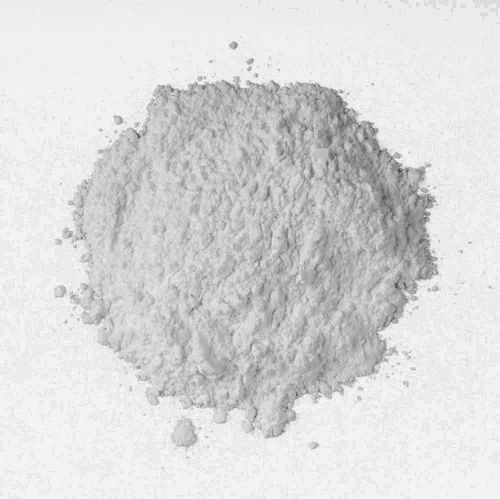
- Appearance: White crystalline powder
- Molecular Weight: 194.18 g/mol
- Solubility: Soluble in water; insoluble in alcohol
- pH: Approximately neutral
- Melting Point: Decomposes upon heating
These properties make di sodium tartrate suitable for a wide range of applications in different industries.
Applications of Di Sodium Tartrate
1. Food Industry
Di sodium tartrate is widely used as a food additive and stabilizer. It serves multiple functions, including acting as an emulsifier, stabilizer, and thickening agent. In food processing, it helps improve the texture and stability of various products, including:
- Baked Goods: Enhances the quality and shelf-life of baked items.
- Dairy Products: Used in cheese and yogurt to maintain consistency.
- Processed Foods: Acts as a thickener and improves mouthfeel in sauces and dressings.
2. Pharmaceuticals
In the pharmaceutical sector, di sodium tartrate is employed as an excipient in drug formulations. Its properties make it suitable for various applications, including:
- Buffering Agent: Helps maintain the pH of solutions, ensuring the stability of active ingredients.
- Stabilizer: Enhances the shelf-life and effectiveness of medications.
3. Laboratory Use
Di sodium tartrate is commonly used in laboratories as a reagent and buffer. It plays a crucial role in various biochemical assays and experiments, including:
- Enzyme Reactions: Acts as a stabilizing agent for enzymes, improving reaction conditions.
- Analytical Chemistry: Used in titrations and as a standard solution in various analytical methods.
4. Cosmetics and Personal Care
In the cosmetics industry, di sodium tartrate is incorporated into formulations as a pH regulator and stabilizer. Its ability to maintain the desired pH levels enhances the effectiveness and shelf-life of creams, lotions, and other personal care products.
5. Agriculture
Di sodium tartrate finds applications in agriculture as well, where it serves as a fertilizer additive. Its ability to release essential nutrients slowly improves soil health and promotes plant growth.
Advantages of Using Di Sodium Tartrate
1. Versatility
One of the primary advantages of di sodium tartrate is its versatility. It can be used in various applications across multiple industries, making it a valuable resource for manufacturers and professionals seeking reliable solutions.
2. Stabilizing Properties
Di sodium tartrate is known for its stabilizing properties, which help maintain the quality and effectiveness of food products, pharmaceuticals, and cosmetics. This characteristic ensures that products remain effective and safe for longer periods.
3. Cost-Effectiveness
Compared to other stabilizing agents, di sodium tartrate is relatively cost-effective. Its availability and low price point make it an economical choice for various applications, helping businesses maintain profitability.
4. Natural Origin
Di sodium tartrate is derived from tartaric acid, a naturally occurring compound. Its natural origin appeals to consumers and industries looking for sustainable and environmentally friendly materials.
How to Use Di Sodium Tartrate
1. In Food Processing
When using di sodium tartrate in food applications:
- Dosage: The recommended dosage typically ranges from 0.1% to 0.5% of the total weight of the product, depending on the specific application and desired effects.
- Incorporation: It can be mixed with other ingredients during the processing stage to ensure even distribution.
2. In Pharmaceuticals
For pharmaceutical applications:
- Formulation: Use di sodium tartrate as a buffering agent at recommended concentrations, typically around 0.5% to 2%.
- Quality Control: Regularly monitor the stability and efficacy of formulations to ensure compliance with industry standards.
3. In Laboratory Settings
When using di sodium tartrate in laboratory experiments:
- Preparation: Dissolve the appropriate amount in water to create a buffer solution, adjusting the pH as needed for specific reactions.
- Monitoring: Regularly assess the effectiveness of reactions to ensure accurate results.
4. In Cosmetics
For cosmetic applications:
- Incorporation: Use di sodium tartrate at concentrations of 0.5% to 3% to help regulate pH and stabilize formulations.
- Testing: Conduct stability tests to ensure the integrity of cosmetic products over time.
5. In Agriculture
In agricultural applications:
- Fertilizer Use: Apply di sodium tartrate based on soil tests to determine the right amount needed for optimal plant growth.
- Monitoring: Regularly assess soil health and crop performance to adjust application rates as necessary.
Safety and Handling
1. Toxicity
Di sodium tartrate is generally considered safe for use in food, pharmaceuticals, and other applications. However, excessive intake may lead to gastrointestinal discomfort in sensitive individuals.
2. Protective Measures
When handling di sodium tartrate, it is essential to:
- Wear Protective Gear: Use gloves, goggles, and appropriate lab attire to minimize exposure risks.
- Ensure Ventilation: Work in a well-ventilated area to avoid inhaling dust.
3. Storage
Store di sodium tartrate in a cool, dry place away from direct sunlight and moisture. Ensure that containers are tightly sealed to prevent contamination and degradation.
Environmental Considerations
Di sodium tartrate is considered environmentally friendly, as it is derived from natural sources. However, proper disposal methods should be followed to minimize any potential impact. Always adhere to local regulations regarding chemical waste disposal.
Conclusion
Di sodium tartrate is a versatile and essential compound widely used in food processing, pharmaceuticals, laboratory settings, cosmetics, and agriculture. Its unique properties, such as stabilizing capabilities and natural origin, make it an invaluable resource for professionals across various industries.
When purchasing di sodium tartrate, choose reputable suppliers that provide high-quality products and detailed safety data sheets. Understanding its applications, benefits, and safety measures will help you maximize the potential of this remarkable compound in your projects.
Whether you’re a food manufacturer looking to enhance product quality, a pharmaceutical professional seeking effective excipients, or a researcher in need of reliable reagents, di sodium tartrate can meet your needs. Embrace the advantages of this compound and unlock new possibilities in your field!



Reviews
There are no reviews yet.